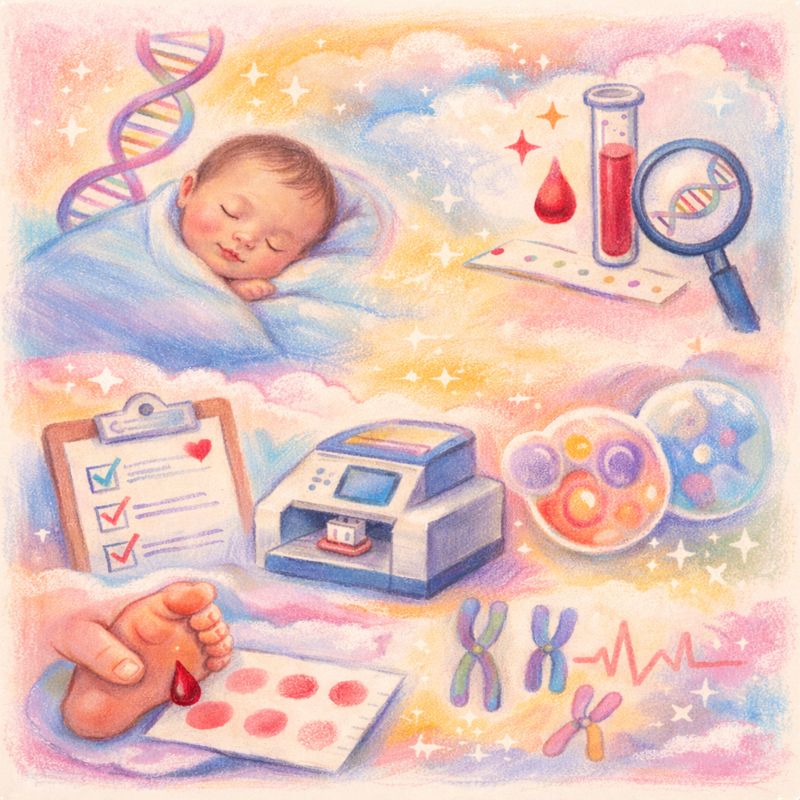
Newborn screening is one of the most successful preventive health interventions, enabling early identification of select inherited disorders and timely treatment. However, traditional newborn screening relies on biochemical markers that reflect downstream effects of disease. These markers often become abnormal only after the disease process has begun, meaning some degree of biological damage may already be present. As a result, conventional screening is limited in both the number of conditions it can detect and its ability to enable truly preventive intervention.
Advances in genomics now allow us to rethink newborn screening altogether. Genomic Newborn Screening (gNBS) uses genomic information at birth to identify serious, treatable childhood-onset genetic conditions before symptoms appear, enabling prevention rather than reaction.
What is Genomic Newborn Screening
Genomic newborn screening involves sequencing a newborn’s genome soon after birth and selectively analysing it for clinically actionable, childhood-onset genetic conditions where:
- Early intervention significantly alters outcomes
- Delay leads to irreversible harm or death
- Established clinical pathways exist
- Unlike traditional screening, gNBS is pre-symptomatic, predictive, and preventive.
Why gNBS
Although individually uncommon, rare genetic diseases collectively affect a significant proportion of newborns, with many presenting in infancy or early childhood. A large number of these conditions are severe, progressive, and life-limiting if left undetected, yet clinically actionable when identified early, through dietary modification, surveillance, medications, or timely interventions. Genomic newborn screening enables the identification of these disorders before symptoms appear, preventing irreversible damage and avoiding prolonged diagnostic delays. By shifting detection to the earliest, genetic stage of disease, gNBS transforms care from late diagnosis and crisis management to early, targeted prevention during the most critical window of development.
Why Whole Genome Sequencing is Essential for gNBS
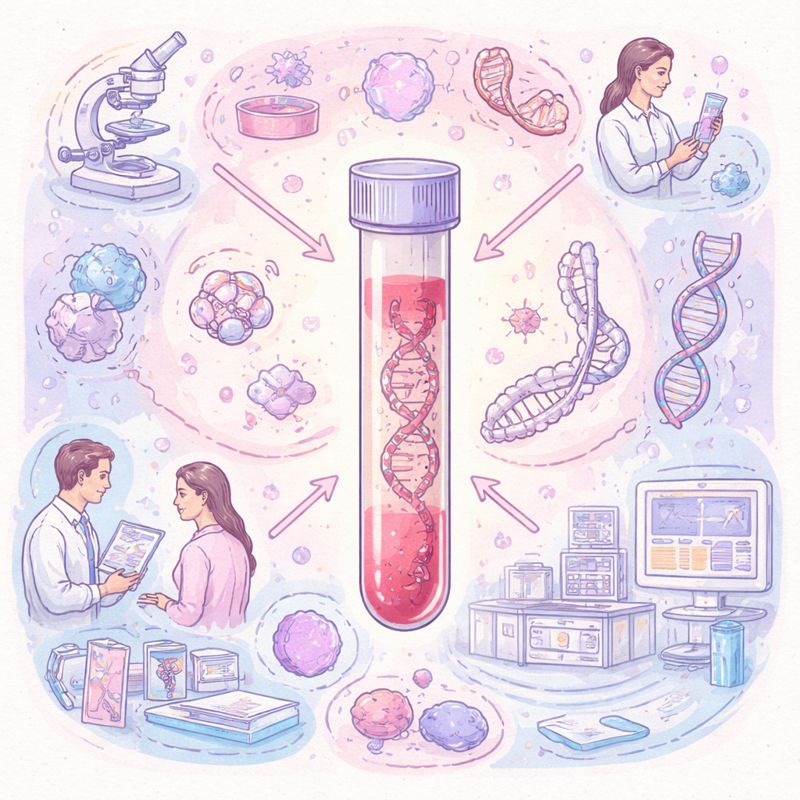
gNBS requires complete genomic visibility. For a screening program, the priority is not depth in a few genes, but completeness across the genome. Whole-genome sequencing (WGS) captures all regions of your genome, including both coding and non-coding. It can detect diverse types of variations (splice-site variants, structural variants, and copy number changes), thus avoiding the blind spots inherent to gene panels and other DNA sequencing technologies. This ensures that serious conditions are not missed simply because they fall outside predefined gene lists. WGS can identify the widest range of actionable childhood conditions. Many severe pediatric disorders arise from genomic changes that are either outside protein-coding regions or modify large portions of the genome (structural variations). These are reliably detected only by WGS. Global experience from newborn and neonatal sequencing programs shows that WGS consistently identifies more clinically actionable conditions than other approaches, directly translating into earlier treatment and better outcomes.
One Genome, Lifelong Utility (Womb to Tomb)
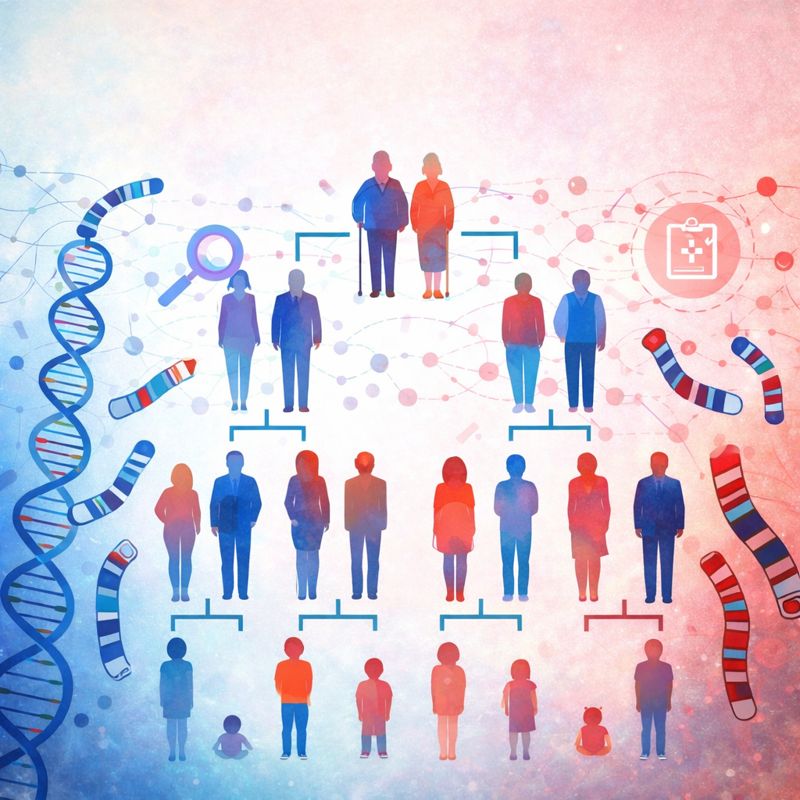
Whole-Genome Sequencing transforms newborn screening from a one-time test into a lifelong health resource. A genome generated at birth can be re-analysed over time to support childhood disease surveillance, precision prescribing and pharmacogenomics, risk assessment for adult-onset but preventable conditions, and even reproductive and family planning in adulthood. This “womb-to-tomb” approach allows health information to evolve with the individual, without repeated testing.
Preventing Diagnostic Delays and Escalation
In the absence of WGS, children with genetic conditions often undergo multiple rounds of testing, delayed diagnosis, prolonged uncertainty, and thus miss critical early intervention, treatment, and management opportunities. Using WGS upfront avoids this diagnostic escalation, enabling faster, clearer clinical decisions and reducing unnecessary interventions.
Long-Term Health Impact
By identifying disease risk at birth, gNBS enables
- Early intervention and prevention
- Reduction in avoidable childhood morbidity and mortality
- Improved quality of life across the lifespan
- More informed healthcare decisions at every life stage
Over time, this shifts healthcare from episodic treatment to continuous, preventive care across the life course.
Conclusion
Genomic Newborn Screening represents a once-in-a-generation opportunity to reimagine preventive healthcare from birth. Whole-Genome Sequencing is the only technology comprehensive and flexible enough to support this vision. By sequencing once at birth and using the genome across the lifespan, gNBS enables a womb-to-tomb approach to health, where early knowledge leads to timely action, better outcomes, and healthier lives.