When people think about disease risk, they often focus on two things: “Is it in my genes?” and “Does it run in my family?” The truth is that both genetics and family history matter, and they work best when used together. Understanding this combination can help people make smarter choices about screening, prevention, and early detection—often before symptoms begin.
Genetics refers to the DNA you inherit from your parents. Certain genetic changes can increase the chance of developing specific conditions such as hereditary cancers, heart rhythm disorders, or rare metabolic diseases. These inherited changes are present from birth and can sometimes explain why a disease appears at a young age, affects multiple family members, or occurs in a pattern across generations. However, genetics is only part of the story. Many common diseases like diabetes, heart disease, asthma, and even some cancers are influenced by a mix of genes, lifestyle, environment, and chance. That means a person can develop a condition even without a strong genetic mutation, and someone with genetic risk may never develop the disease.
Family history adds another powerful layer. It captures not only shared genes, but also shared environment, habits, diets, cultural patterns, and exposures that families often have in common. For example, a family may share genetic tendencies toward high cholesterol, but also share lifestyle factors like diet, stress, or smoking. Family history can also reveal patterns that genetic testing may not fully explain, such as repeated early heart attacks, multiple relatives with the same cancer, or pregnancy losses. Even when a genetic cause is not yet identified, family history can still serve as an early warning sign.
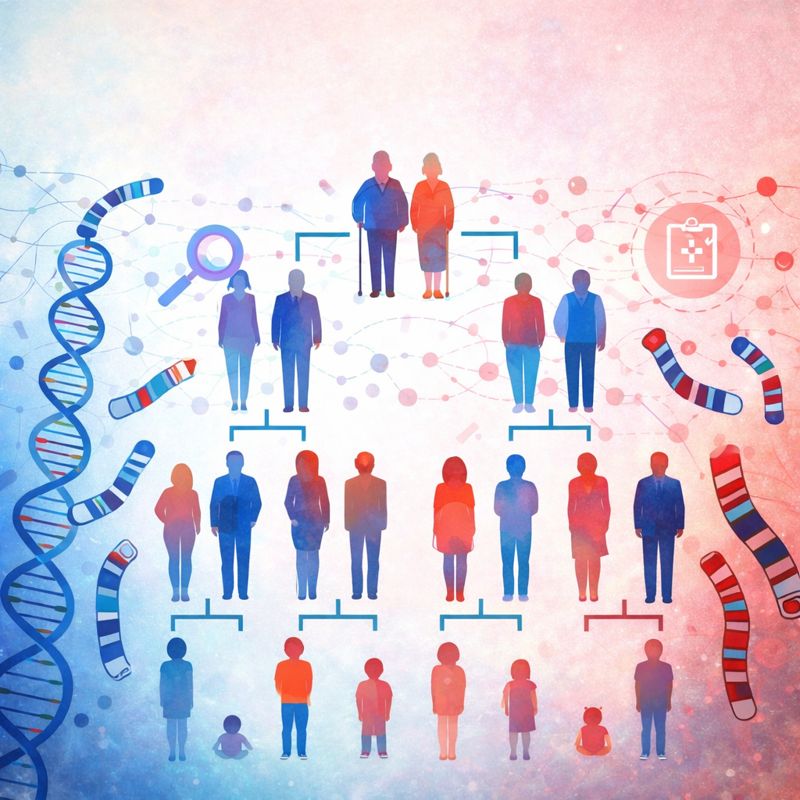
Collecting a good family history is simpler than most people think, but it does require some structure. Doctors often find the most useful information when you include three generations: your grandparents, parents, siblings, children, aunts, uncles, and cousins. The most important details are the type of illness, the age at diagnosis, and whether the disease occurred early or in an unusual way. For example, cancer diagnosed before age 50, multiple cancers in the same person, or repeated similar conditions across close relatives are all patterns that can signal inherited risk. It also helps to note any sudden deaths, heart problems at a young age, or known genetic diagnoses in the family. If exact medical terms are not available, even approximate information can still be valuable.
Doctors use family history and genetics together to build a clearer risk picture. If your family history strongly suggests an inherited condition, a genetic test may help confirm the cause and guide prevention for both you and your relatives. If a genetic test finds a known disease-causing variant, family history helps doctors understand how that risk is showing up in your family and what screening plan is most appropriate. Sometimes the opposite happens: a genetic test may be normal or show an uncertain result, but the family history still suggests higher risk. In that situation, doctors may recommend earlier or more frequent screening based on family history alone, because the risk pattern is still clinically important even without a confirmed genetic answer.
This is why family health history remains one of the most powerful and under-used tools in preventive care. It is free, it takes only a short time to document, and it can guide life-saving decisions such as when to start screening for cancer, when to check cholesterol more aggressively, or when to monitor heart health more closely.
In summary, genetics tells you what you may have inherited, while family history shows how health risks are actually playing out across generations. When combined, they offer a more complete and practical understanding of disease risk than either one alone. Whole Genome Sequencing (WGS) can strengthen this approach further by providing comprehensive genetic coverage in a single test, helping identify inherited risk variants that targeted tests may miss and offering deeper insight into conditions that may be running in a family. Together, family history and WGS can support a more proactive, personalized approach to staying healthy.