Have you ever wondered why a medicine works well for one person but causes side effects in another? Or why some people need a higher dose to feel better, while others feel drowsy or unwell after just one tablet? A major reason is that our bodies do not process medicines in the same way. This is where genetics can make a real difference.
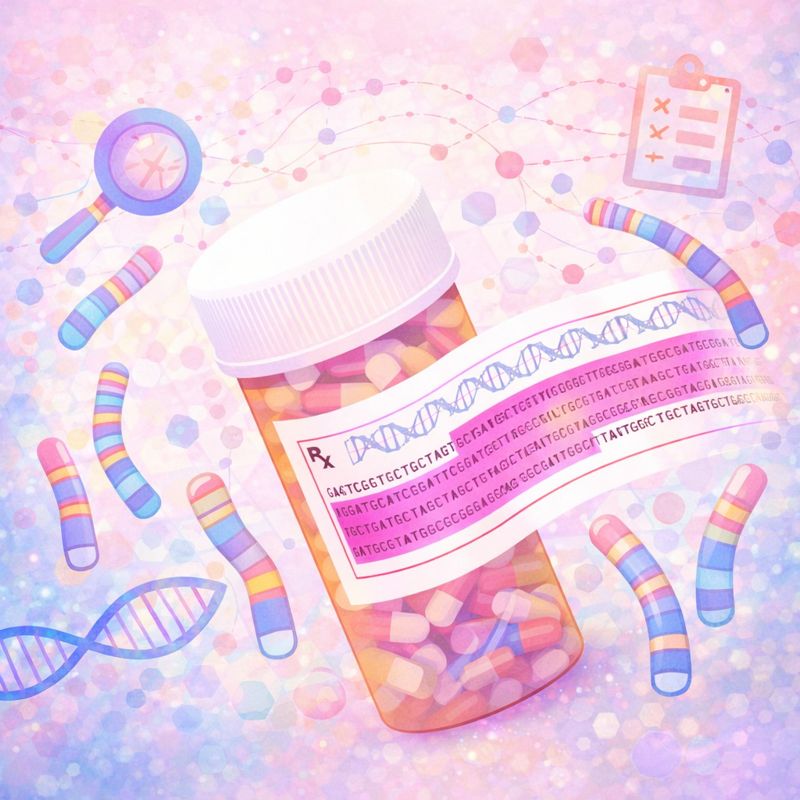
Pharmacogenomics is the science of how your genes influence your response to medications. In simple terms, your DNA contains instructions that affect how quickly your body breaks down a drug, how strongly the drug works, and whether you are more likely to develop side effects. These genetic differences are normal, and they exist in all populations. They help explain why “standard doses” are not always the best fit for everyone.
One of the easiest ways to understand this is through the idea of drug metabolism, which is how your body processes and clears a medicine. Some people are “slow metabolizers,” meaning their body breaks down certain drugs more slowly. This can lead to the medicine staying in the body longer, increasing the chance of side effects. For example, some people may feel unusually sleepy, dizzy, or nauseated from common medicines because their body is processing them more slowly than expected. On the other hand, “fast metabolizers” break down certain drugs quickly, which can make the medicine less effective because it leaves the body too soon. This is one reason why two people taking the same dose can have very different results.
Painkillers are a common real-world example. Some individuals may find that a standard pain medication barely helps, while others may feel overly sedated or uncomfortable. Similarly, antidepressants and anxiety medications often require trial and error, because the “right” medicine and dose can vary widely between individuals. Blood thinners are another important example. Some people have genetic differences that affect how strongly these medicines work, which can increase the risk of bleeding if the dose is too high, or clotting if the dose is too low. In these cases, knowing the genetic background can help doctors make safer choices from the beginning.
Doctors can use pharmacogenomic information in a practical way to personalize prescribing. Instead of guessing which medicine will work best, genetic testing can provide clues about whether a person is likely to respond well, whether they may need a different dose, or whether a particular drug should be avoided altogether. This does not replace medical judgment, but it gives doctors a powerful additional tool to choose more confidently and safely.
The benefits for patients can be significant. Genetics-guided prescribing can reduce unpleasant side effects, lower the risk of serious drug reactions, and shorten the time it takes to find an effective treatment. It can also prevent frustration when people feel that “nothing works,” when the real issue may be that their body processes certain medicines differently. For many patients, this means faster relief, better long-term outcomes, and greater trust in the treatment plan.
It is also important to understand what pharmacogenomics cannot do. It does not predict every side effect, and it does not guarantee that a medicine will work perfectly. Many factors still matter, including age, weight, kidney and liver function, other medications, diet, and underlying health conditions. But genetics can explain a major part of the variability that doctors and patients often struggle with.
In summary, genetics can help move medicine from “trial and error” to a more personalized approach where the right drug and dose are chosen more intelligently. Whole Genome Sequencing (WGS) can support this even further by offering comprehensive coverage of pharmacogenomic variants as part of a single, broader test. Instead of testing only a few genes, WGS can capture a wide range of medication-related genetic markers, making it a valuable long-term resource that can guide prescribing decisions across many treatments throughout life.

Very informative..pl make YouTube videos to learn more