For decades, genetic testing followed a simple rule. If the first test did not provide an answer, the patient often had to undergo another test years later. New samples were collected, new panels were ordered, and families waited again. Today, that approach is changing. A single genome, sequenced once, can now deliver new answers years later through reanalysis.
Whole genome and whole exome sequencing capture nearly all of a person’s genetic information at a single point in time. What changes over the years is not the genome itself, but our ability to understand it. New disease genes are discovered, variant interpretations are updated, and clinical databases expand. A variant that was once labeled as uncertain or ignored may later be recognized as pathogenic and clinically meaningful.
This shift has transformed the diagnostic journey, especially for patients with rare or complex disorders. Many individuals undergo sequencing early in life but receive no clear diagnosis. In the past, this often marked the end of the road. Now, laboratories can revisit the same data after one, three, or five years and identify newly relevant findings without drawing new blood or repeating the sequencing process.
The impact is substantial. Studies show that systematic reanalysis can increase diagnostic yield by ten to twenty percent, sometimes more in pediatric and neurodevelopmental cases. For families who have spent years searching for an explanation, a delayed diagnosis can bring clarity, guide management, and inform future family planning.
Reanalysis also reflects how fast genomic medicine evolves. Each year, hundreds of new gene disease associations are published. Classification guidelines are refined. Population databases grow larger and more accurate. Machine learning tools improve variant prioritization. All of this means that yesterday’s “negative” result may become today’s diagnosis.
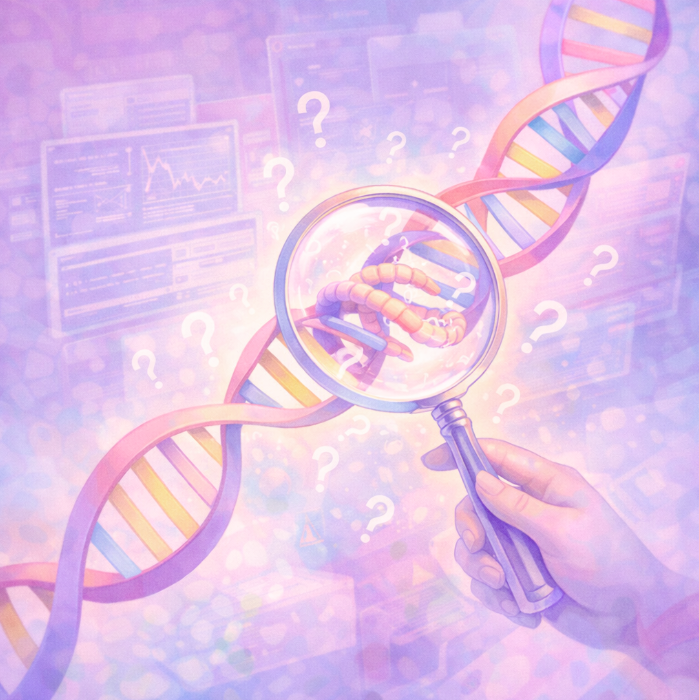
Clinically, this changes how genetic testing is viewed. Sequencing is no longer a one time event but a long term resource. The genome becomes a living record that can be queried again as knowledge advances. This approach reduces cost, avoids repeated invasive sampling, and maximizes the value of data already generated.
However, reanalysis brings new responsibilities. Laboratories must maintain secure long term data storage, track evolving annotations, and define when and how often reanalysis should occur. Clinicians need clear policies on recontacting patients and communicating updated results. Patients must understand that genetic testing is not final but part of an ongoing process.
In the future, routine reanalysis may become standard care. Automated systems could flag newly actionable variants and notify clinicians in real time. What once required a new test may soon require only a new interpretation.
One genome can indeed hold many answers. Sometimes, the answers are already there. We simply need time, knowledge, and the willingness to look again.