
Genetic testing has quickly moved from being something only used in hospitals for rare diseases to something many people now consider as part of routine health planning. You may have heard friends talk about “getting their DNA tested” or seen news about genetics helping doctors detect disease earlier or choose better treatments. It’s easy to see why it’s popular: the idea that your body carries a built-in instruction manual—and that reading it could reveal important health clues—feels both fascinating and empowering.
At its core, genetic testing looks for changes in your DNA that may be linked to certain health conditions. Sometimes those changes can explain why a disease runs in a family. Sometimes they can help predict risk. And in some cases, they can guide prevention, screening, or even treatment. But genetic testing also has limits, and understanding those limits is just as important as understanding its benefits.
There are several types of genetic tests, and the right one depends on what question you are trying to answer. One common type is carrier screening, often done when couples are planning a pregnancy. This test checks whether someone carries a genetic change that could be passed to a child. Most carriers are healthy and may never know they carry anything unusual, but if both parents carry a change in the same gene, their child may have a higher chance of being affected by that condition.
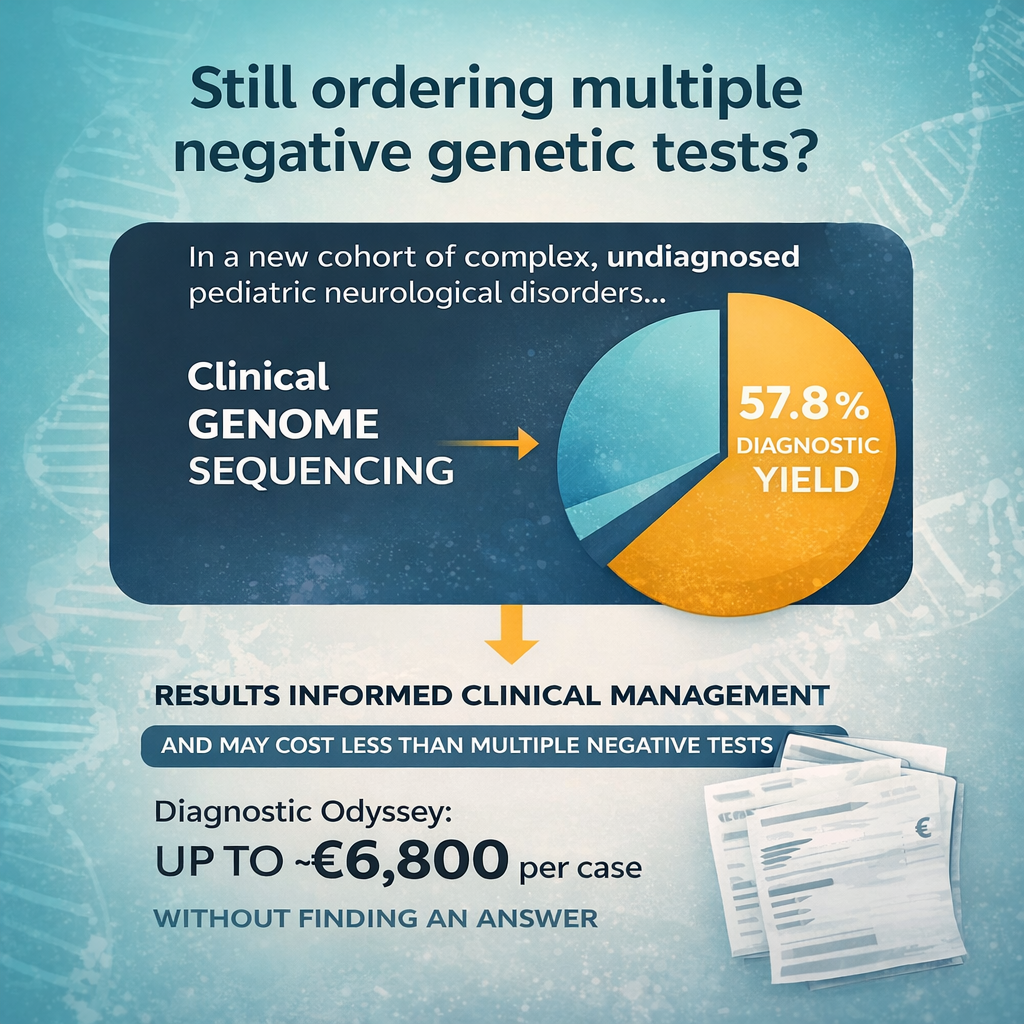
Another type is a targeted gene panel. This focuses on a specific set of genes linked to a condition, such as hereditary cancers or inherited heart diseases. Panels are often used when there is a strong family history or when symptoms suggest a particular genetic cause. More extensive tests include exome sequencing, which reads the parts of DNA that directly code for proteins and are more likely to contain disease-causing changes, and whole-genome sequencing, which reads nearly all of your DNA, including regions outside the exome. Whole-genome testing can capture more information, but it can also produce more findings that are difficult to interpret.
The part many people don’t realize is that genetic testing results are rarely a simple “yes” or “no.” A result may show a gene change that clearly increases the risk of a specific disease and has well-established medical guidance. These are often the most actionable results, because they may lead to earlier screening, closer monitoring, or preventive steps. Other results may show that you are a carrier for a condition that matters mainly for family planning. And some results may indicate a small increase in risk that doesn’t translate into certainty, because most common diseases are influenced by a combination of genes, lifestyle, and environment.
This is where genetic testing can be misunderstood. Having a genetic risk does not mean you will definitely develop a condition, and not having a known risk does not mean you are completely protected. Your genes are important, but they are only one part of the bigger health picture.
Genetic testing also comes with limitations that are worth knowing upfront. Sometimes a test may suggest a risk that later turns out not to be medically meaningful. In other cases, testing finds a genetic change, but science has not yet determined whether it causes disease. These are often reported as “variants of uncertain significance,” and they can create anxiety because they sound serious, even when no clear medical action is needed. This uncertainty is one reason why professional interpretation matters. A report without context can be confusing, and it may lead to unnecessary worry or unnecessary medical tests.
Despite these limitations, genetic testing can be extremely valuable in the right situations. It is especially helpful when certain conditions run strongly in a family, when a disease appears at an unusually young age, or when symptoms remain unexplained despite many investigations. It can also support couples who want to understand inherited risks before pregnancy. In some cases, genetic insights can even guide medication choices, because people can respond differently to the same drug based on how their bodies process it.
If you’re considering genetic testing, the best next step is to choose the right test for the right reason, ideally with guidance from a qualified healthcare professional or genetic counselor. A good provider won’t just order a test—they’ll help you understand what the test can realistically answer, what it cannot, and what you might do with the results. Genetic testing is most powerful when it leads to clear and sensible decisions, such as earlier screening, prevention planning, or informed family choices. Done thoughtfully, it can be a meaningful tool for health. Done casually or without support, it can create more confusion than clarity.
The promise of genetic testing is real, but it works best when paired with good medical guidance, careful interpretation, and the understanding that your DNA is only one chapter in the full story of your health.