Imagine going for a test to answer one simple question ‘why am I sick?‘ and discovering something entirely unexpected. That is what can happen in modern genomics. When doctors sequence a person’s DNA to look for the cause of a specific condition, they sometimes uncover incidental findings: genetic information that was never actively searched for, but turns out to be important.
Our genome is vast, like a massive library. Even if doctors open only one book, their light may accidentally fall on another shelf, revealing a risk for a different disease, a hidden inherited condition, or a future health concern. These discoveries are what scientists call incidental findings, and they reflect the depth and richness of the information written into our DNA.
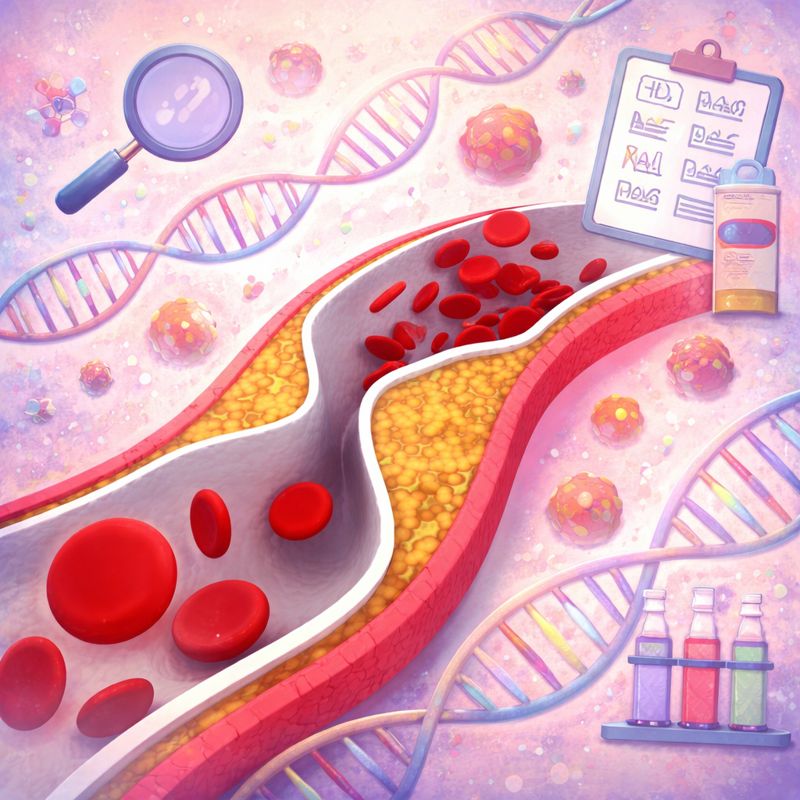
What makes incidental findings remarkable is their quiet potential to protect health. A person tested for one disorder may unexpectedly discover a genetic risk for heart disease or cancer, giving doctors the chance to monitor earlier, intervene sooner, and sometimes prevent illness altogether. In these moments, genomics extends care beyond the present problem and opens a window into proactive, preventive medicine.
Not every incidental finding demands immediate action but many offer valuable insight. Some highlight areas to watch more closely, others guide lifestyle choices or long-term care, and some provide clarity for family members across generations. Rather than creating uncertainty, these findings often add context, helping people understand their health more fully.
Modern genomic testing is built around this balance. Individuals are usually given a choice about whether they wish to receive certain types of incidental findings, ensuring that information is shared thoughtfully and respectfully. The focus is not only on scientific discovery, but on empowering people with knowledge they are ready to use.
Incidental findings remind us that genomics is not just about technology or data. It is deeply human. It connects biology with emotions, family, foresight, and care. As genome sequencing becomes more common, these unexpected discoveries will no longer feel unusual, they will be a natural part of comprehensive healthcare.
In the end, incidental findings teach us a simple truth: when we read our DNA, we may find answers we didn’t ask for, but often, those answers help us see our health more clearly than we ever expected.