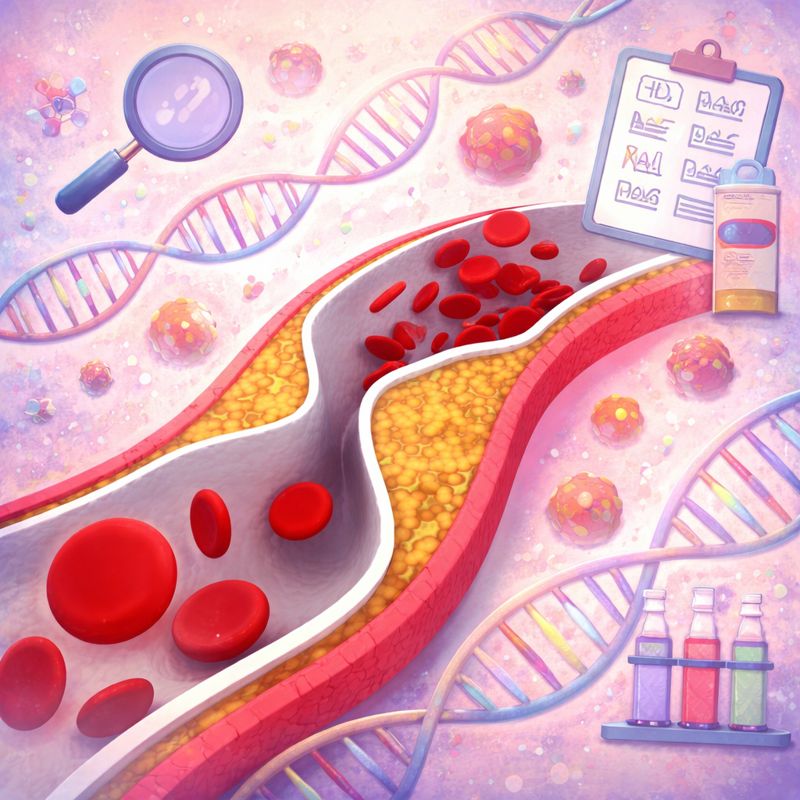

Cardiac genetic testing is rapidly emerging as one of the most important tools in modern heart health care—especially for people with a family history of heart disease or unexplained cardiac problems. At its core, this type of testing looks at your DNA to identify specific gene changes that can increase the likelihood of developing certain heart conditions. Knowing your genetic risk can empower you and your clinicians to make proactive decisions rather than reacting once symptoms appear.
Many serious heart conditions are inherited. These include structural heart problems like hypertrophic cardiomyopathy (HCM) and dilated cardiomyopathy (DCM), electrical rhythm disorders like long QT syndrome or Brugada syndrome, and even inherited high-cholesterol disorders such as familial hypercholesterolemia. Some of these conditions may be silent for years yet carry a risk of sudden cardiac events. Genetic testing can help identify individuals at risk before complications occur, offering a window of opportunity for tailored care.
Genetic testing typically involves a simple blood draw or cheek swab. A laboratory examines your DNA looking for gene variants linked with cardiac disorders. This process often uses comprehensive panels covering many genes known to affect heart structure and function. The results—interpreted in partnership with a genetic counselor or cardiologist—can confirm a diagnosis, clarify an uncertain diagnosis, inform prognosis, and guide treatment decisions.
One of the most powerful aspects of cardiac genetic testing isn’t just what it reveals about you but what it can mean for your family. Because many of these conditions follow hereditary patterns, identifying a pathogenic variant in one person can prompt targeted testing for siblings, children, or other relatives. In some cases, family members who carry the same variant may be asymptomatic yet still benefit from monitoring and early intervention. This process—often called cascade testing—can help prevent serious events across generations.
Understanding your genetic risk often leads to personalized care plans. For example, knowing that you carry a gene variant associated with a high risk of arrhythmias might shift how frequently you are monitored with electrocardiograms or how early preventive medications or devices like pacemakers are considered. Even in conditions where genetics isn’t the full story, a genetic result can tip clinical decisions and lifestyle recommendations toward earlier and more targeted action.
Genetic testing also brings clarity in diagnostic uncertainty. Some heart symptoms overlap across different conditions; genetic information can help distinguish between them, which is critical because management strategies can differ significantly. In conditions where the evidence is strong, major expert groups in cardiology recommend genetic testing as part of standard care for people with certain inherited cardiac syndromes.
Still, there are limitations to recognize. A genetic test may not identify a harmful variant even if a heart condition exists, and not everyone with a genetic variant will develop serious problems. Interpretation can be complex, which is why genetic counseling before and after testing is essential—to help people understand what the results do and do not mean, and what the next steps should be.
For many people, the decision to undergo cardiac genetic testing starts with a conversation about family history. Have close relatives experienced early heart attacks, unexplained fainting, sudden cardiac death, or been diagnosed with a hereditary heart condition? Sharing this history with your healthcare provider can open the door to genetic evaluation and potentially life-saving interventions.
In summary, cardiac genetic testing represents a major advance in preventive heart care. It transforms uncertainty into actionable insight, helps tailor monitoring and treatment, and enables families to take control of inherited risks. If you have a significant family history or unexplained cardiac symptoms, discussing genetic testing with your clinician could be one of the most impactful steps you take for your long-term heart health.