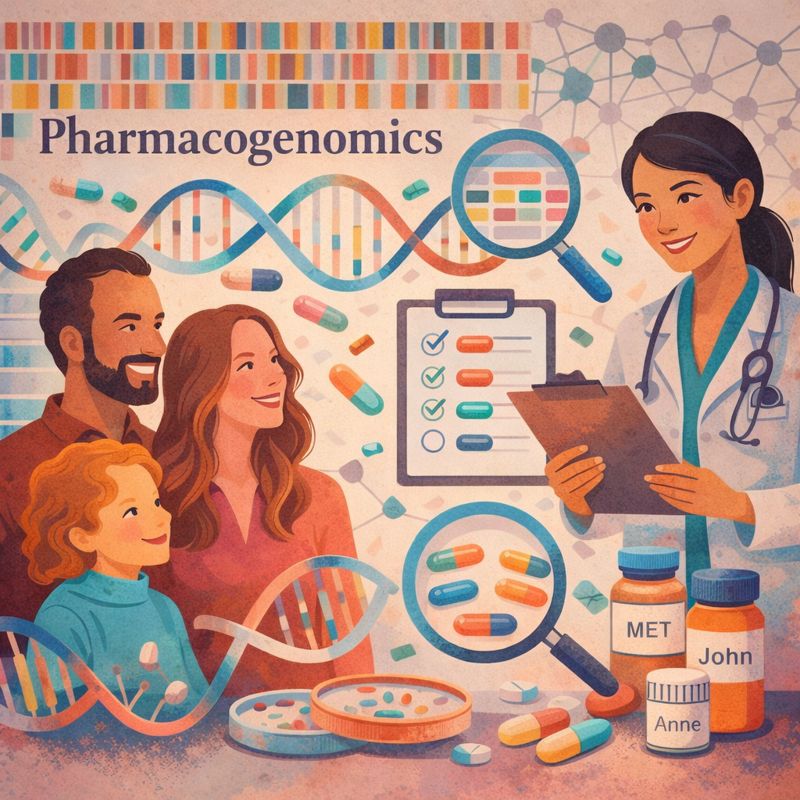
Have you ever wondered why a medicine works perfectly for someone else, but gives you side effects or doesn’t work at all? This is more common than people think. One important reason is genetics. Your DNA influences how your body breaks down medicines, how strongly they act, and whether you are more likely to experience side effects. This field is called pharmacogenomics, and it is changing how doctors choose the right drug and dose for each person.
A key idea in pharmacogenomics is that people can be “slow metabolizers” or “fast metabolizers” for certain medicines. If you break down a drug too slowly, it can stay in your body longer and cause stronger side effects. If you break it down too quickly, the medicine may not stay long enough to help. This is why two people taking the same tablet can have completely different outcomes.
Many everyday medicines are known to be affected by genetic differences. Painkillers are a common example, especially certain opioid-based medicines, where genetics can influence whether pain relief is strong, weak, or associated with unwanted drowsiness or nausea. Another major group is antidepressants and anti-anxiety medicines. These drugs often take weeks to show results, and some people go through multiple trials before finding the right one. Genetics can partly explain why one medicine causes sleepiness, agitation, or poor response in one person but works well in another.
Heart and cholesterol medicines are also influenced by genetics. Statins, which are commonly prescribed to lower cholesterol, may cause muscle pain in some people, while others tolerate them well. Genetic factors can contribute to this difference. Blood thinners are another important category because the “right” dose can vary widely between individuals. Some people may be at higher risk of bleeding, while others may not get enough protection against clotting, and genetics can be one factor guiding safer choices.
Medicines used for acidity and reflux, such as common stomach acid reducers, can also vary in effect based on how quickly a person metabolizes them. Similarly, certain diabetes medicines may work better for some individuals than others, and genetics is one of the reasons responses can differ. Asthma medications can also show variation, with some people responding strongly to inhalers while others need different approaches.
Antibiotics and infection-related medicines are another area where genetics can matter, especially for side effects. Some individuals may be more prone to adverse reactions from specific drugs. Even common anti-nausea medicines and certain anesthesia-related drugs used during surgeries can be influenced by genetic differences, affecting how strongly a person responds or how quickly they recover.
While genetics does not explain everything, these are ten everyday medication areas where genes often play a meaningful role: pain medicines, antidepressants, anti-anxiety drugs, cholesterol-lowering statins, blood thinners, acid reflux medicines, diabetes medicines, asthma medicines, certain antibiotics, and anesthesia-related drugs. For many people, understanding this can be reassuring—it explains why “one-size-fits-all” prescribing sometimes fails, and why a medicine journey may require adjustments.
So when should you consider asking your doctor about a genetic test? It may be helpful if you have had strong side effects from standard doses, if multiple medicines have not worked as expected, if you are starting a long-term medication like an antidepressant or blood thinner, or if you take several medications and want to reduce the risk of drug interactions. Genetic testing is also useful when a medication has a narrow safety range, meaning the dose needs to be carefully balanced.
The biggest advantage of genetics-informed prescribing is safer and faster treatment. It can reduce trial-and-error, lower the chance of serious side effects, and help patients reach the right medication sooner. This can improve quality of life, reduce emergency visits, and even lower overall healthcare costs by preventing avoidable complications.
Whole Genome Sequencing (WGS) can support this approach by providing comprehensive pharmacogenomic information in one test. Instead of checking only a few genes, WGS can capture a wide range of medication-related genetic variants that may influence drug response across many treatments over a lifetime. As genomic medicine becomes more widely used, having this information available early could make everyday prescribing more personalized, safer, and more effective for everyone.