A decade ago, decoding a person’s DNA was slow, expensive, and mostly confined to research labs. Today, something remarkable is happening in hospitals and clinics around the world: doctors can read nearly all of a person’s genetic instruction manual in days or sometimes even hours. This is called rapid whole genome sequencing (rapid WGS), and it’s quietly transforming how medicine works.
Every cell in your body carries DNA, a long code that influences everything from eye color to how diseases develop. Whole genome sequencing looks at almost all of this code at once. What makes rapid WGS exciting is not just what it reads, but how fast it delivers answers. For families facing medical emergencies, speed can change everything.
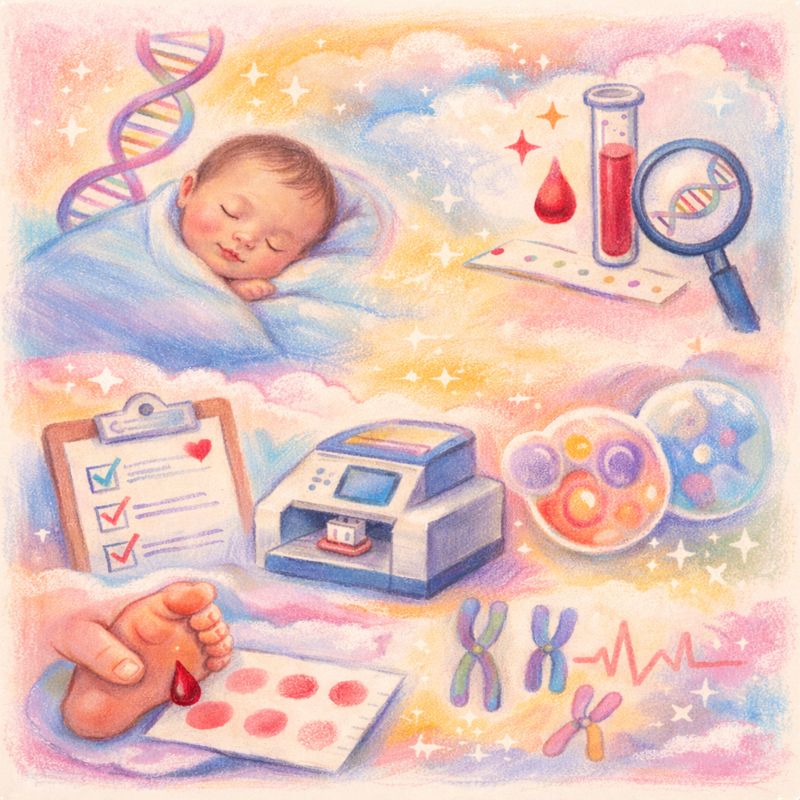
One of the most powerful uses of rapid WGS is in newborn care. Some babies become critically ill soon after birth, with symptoms doctors can’t easily explain. Traditional tests may take weeks and often return inconclusive results. Rapid WGS can scan the baby’s genome and identify a rare genetic condition within days. That information can guide treatment decisions immediately sometimes pointing doctors toward a life-saving therapy, and sometimes helping families avoid unnecessary procedures.
Rapid WGS is also changing how doctors think about diagnosis. Instead of ordering test after test based on symptoms alone, they can start by looking at the genome and then work backwards, a process often called “genetics-first” medicine. This can end long diagnostic journeys that once stretched over years, especially for children and adults with rare diseases.
Another reason rapid WGS feels so futuristic is how it blends biology with technology. Powerful sequencing machines read billions of DNA letters, while advanced software and artificial intelligence help interpret what those letters mean. What once required a global research consortium can now be done within a single clinical lab.
Of course, this technology raises important questions about data privacy, cost, and how much genetic information people want to know. But as rapid WGS becomes faster, more accurate, and more accessible, it is moving from the edges of medicine to the mainstream.
In simple terms, rapid whole genome sequencing is cool because it turns DNA into timely answers. And in medicine, timely answers can mean clarity, better care, and sometimes, a second chance at life.