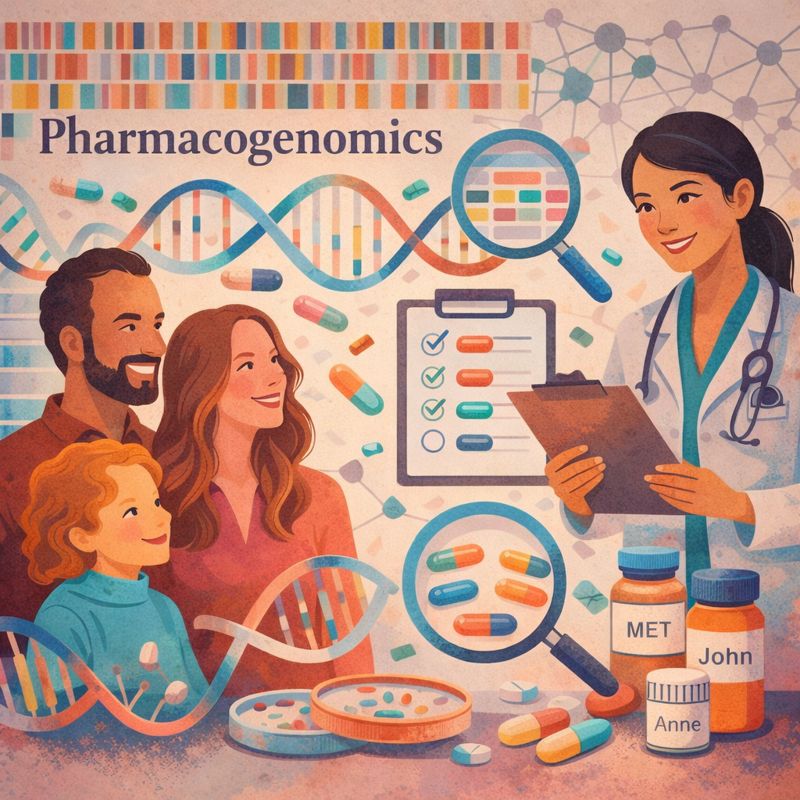
A patient undergoes whole genome sequencing to understand unexplained seizures. The analysis provides the answer. But it also reveals something else – a pathogenic variant associated with sudden cardiac death. The seizures are treatable. The cardiac risk, once invisible, is now preventable.
No one asked that second question. But the genome answered it – in time.
This is not an accident of technology. It is the quiet power of whole genome sequencing (WGS): the ability to protect patients from risks they didn’t know existed. Incidental findings are not distractions. They are opportunities – often lifesaving ones.
What Incidental Findings Really Represent
Incidental (or secondary) findings are genetic results unrelated to the initial clinical indication, discovered because the entire genome has been examined. At first glance, they may seem unexpected. In reality, they are a natural extension of comprehensive care. Whole genome sequencing does not operate with tunnel vision. It reflects a broader philosophy: if actionable risk can be identified early, medicine has a responsibility to act.
In this sense, incidental findings are not “extra information.” They are preventive medicine encoded in DNA.
Why Whole Genome Sequencing Makes Preventive Insight Possible
Unlike targeted genetic tests that answer a single question, WGS captures the full biological landscape:
- Coding and non-coding regions
- Structural variants and copy number changes
- Regulatory elements influencing gene expression
- Disease mechanisms beyond classical gene models
This completeness transforms genomics from reactive diagnostics into anticipatory healthcare.
Whole genome sequencing does not just explain disease – it anticipates it.
Incidental findings are the by-product of seeing the full picture, much like detecting early-stage disease during routine health screening. Far from being intrusive, they reflect medicine finally catching up with biology.
How Actionable Incidental Findings Are Responsibly Reported
Importantly, WGS does not promote unrestricted or indiscriminate reporting. The return of incidental findings is governed by clear professional standards, most notably the recommendations of the American College of Medical Genetics and Genomics.
The ACMG has defined a curated list of genes for which:
- Pathogenic or likely pathogenic variants should be reported, even if unrelated to the testing indication
- Effective medical surveillance or intervention is available
- Early identification demonstrably reduces morbidity and mortality
These guidelines emphasize medical actionability, not curiosity. They ensure that only findings with clear clinical benefit are returned to patients. ACMG-guided reporting transforms incidental findings from uncertainty into opportunity. This framework provides consistency, safeguards patients, and reinforces trust in genomic medicine.
Knowledge as Empowerment, Not Anxiety
When delivered responsibly, genomic knowledge does not create fear- it creates preparedness.
Knowing about a genetic risk allows:
- Early surveillance
- Preventive interventions
- Lifestyle modifications
- Informed family screening
Most importantly, it replaces uncertainty with agency.
In genomics, knowing does not mean surrendering to fate – it means gaining control over it.
Whole genome sequencing shifts healthcare from crisis response to long-term risk management, aligning medicine with prevention rather than reaction.
Risk Is Not Destiny – It Is an Invitation to Intervene
A central strength of WGS is its ability to distinguish risk from inevitability. Genetic variants indicate susceptibility, not certainty. Penetrance varies. Expression differs. Environment and lifestyle play critical roles. When interpreted correctly, incidental findings open doors, not verdicts.
They allow clinicians to say:
- “We can watch for this.”
- “We can prevent this.”
- “We can act before symptoms appear.”
The genome does not predict the future – it equips us to change it.
Strengthening Families Through Shared Genomic Insight
One of the most powerful impacts of incidental findings lies beyond the individual.
Identifying a hereditary risk in one person can protect:
- Siblings
- Parents
- Children
- Entire families
Cascade testing and family screening transform a single genomic result into multi-generational prevention. What was once invisible risk becomes shared knowledge, enabling families to make proactive healthcare decisions together.
Equity, Access, and the Future of Genomic Medicine
As WGS expands globally, incidental findings highlight the importance of building:
- Population-representative genomic databases
- Regional interpretation frameworks
- Culturally sensitive counseling models
This is not a limitation – it is an opportunity. The more genomes we sequence, the more precise, inclusive, and equitable genomic medicine becomes.
Each genome sequenced improves interpretation for the next.
“Whole genome sequencing is not just a test. It is an evolving public health asset.”
Consent in the Era of Comprehensive Care
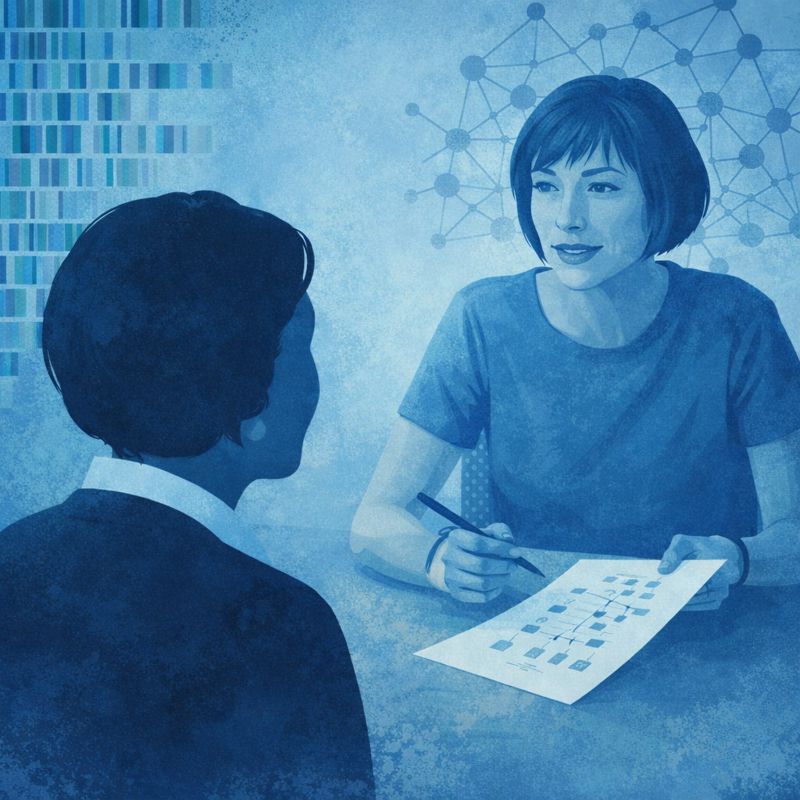
Modern genomic consent is no longer about a single test result. It reflects a partnership between patient and healthcare system – one built on transparency, education, and trust. With proper counseling, individuals are not surprised by incidental findings – they are prepared for them. This transforms consent from a formality into shared decision-making. Whole genome sequencing works best when knowledge is anticipated, explained, and supported.
From Precision Medicine to Preventive Medicine
Healthcare has long focused on treating disease after it appears. WGS accelerates a long-awaited shift toward preventive, precision-based care.
Incidental findings represent:
- Earlier intervention
- Reduced morbidity
- Informed life planning
- Smarter healthcare utilization
They reflect medicine at its most forward-thinking – intervening before harm occurs.
The Genome as a Long-Term Health Resource
One of the most underappreciated strengths of WGS is permanence. Your genome does not change – but our understanding of it does. Incidental findings today may be reinterpreted tomorrow, gaining clarity and relevance over time.
A whole genome sequence is not a one-time test. It is a lifelong health resource.
Reanalysis transforms static data into dynamic clinical value.
Conclusion: When Genomics Sees More, Medicine Does Better
Whole genome sequencing is often described as powerful. But its true strength lies in how responsibly that power is used. Incidental findings are not unintended consequences – they are evidence that genomic medicine is finally holistic.
They reflect a healthcare system that:
- Looks beyond symptoms
- Acts before disease
- Protects families
- Plans for the future
“When the genome tells us more than we asked for, it is not crossing a boundary – it is extending care. Whole genome sequencing does not just answer today’s question. It safeguards tomorrow’s health. And that is not a complication of genomics. It is its promise.”