4 min read 0

How Whole Genome Sequencing Could Change Preventive Healthcare for Everyone

Preventive healthcare has traditionally relied on a simple approach: wait for symptoms, confirm a diagnosis, and then treat the disease. While this model has saved countless lives, it often detects illness only after damage has already begun. Whole Genome Sequencing (WGS) has the potential to change that approach by helping…

3 min read 0

Why Consanguinity Increases Genetic Risk

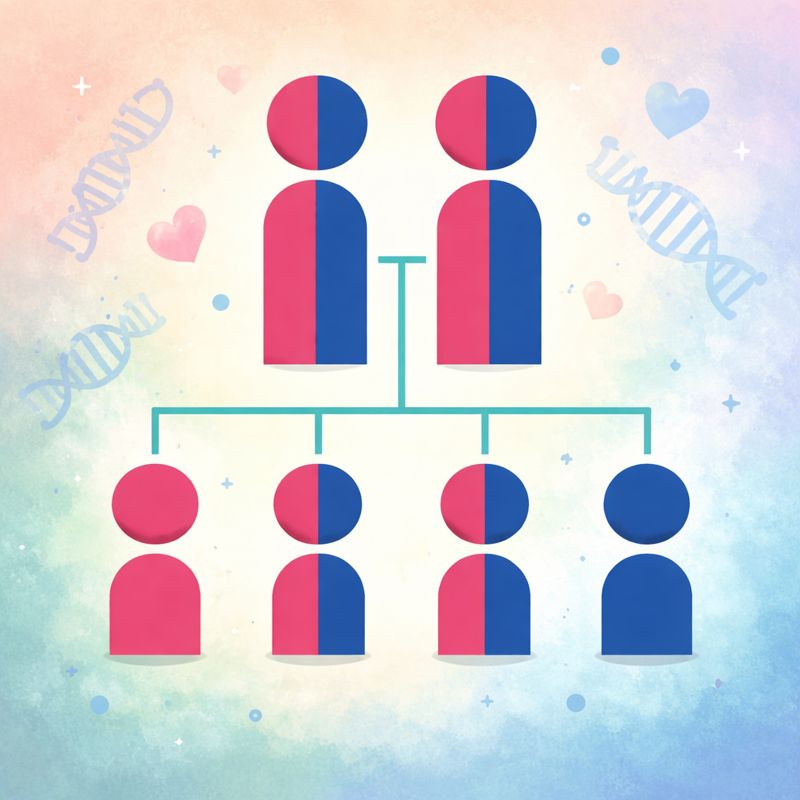
Consanguinity means marriage or having children with a close biological relative, such as a first cousin or second cousin. In many communities around the world, consanguineous marriages are culturally accepted and can be common. While most children born to related parents are healthy, consanguinity is important in genetics because it…

3 min read 0

What Does “Carrier” Mean in Genetics?

If you’ve had genetic testing done, you may have seen the word “carrier” in your report. For many people, this term sounds alarming—but in most cases, being a carrier does not mean you are sick. Here’s a simple explanation of what it means and why it matters. What is a…

2 min read 0

Genetic Counseling: What It Is and How to Prepare

Genetic counseling helps you understand your genes, assess inherited risks, and prepare for informed health and family planning decisions. Genetic counseling is a professional service that helps individuals and families understand how genetics may affect their health, reproductive decisions, or the health of other family members. It is provided by…

2 min read 0

What you need to know about Family Health History

Family health history is one of the most powerful yet underused tools in modern medicine. Long before genetic tests, sequencing platforms, or precision therapeutics, families carried forward a living record of health and disease through shared stories, diagnoses, and outcomes. Today, that record—when carefully observed and thoughtfully interpreted—remains indispensable for…