3 min read 0

What Does “Carrier” Mean in Genetics?

If you’ve had genetic testing done, you may have seen the word “carrier” in your report. For many people, this term sounds alarming—but in most cases, being a carrier does not mean you are sick. Here’s a simple explanation of what it means and why it matters. What is a…
1 min read 0

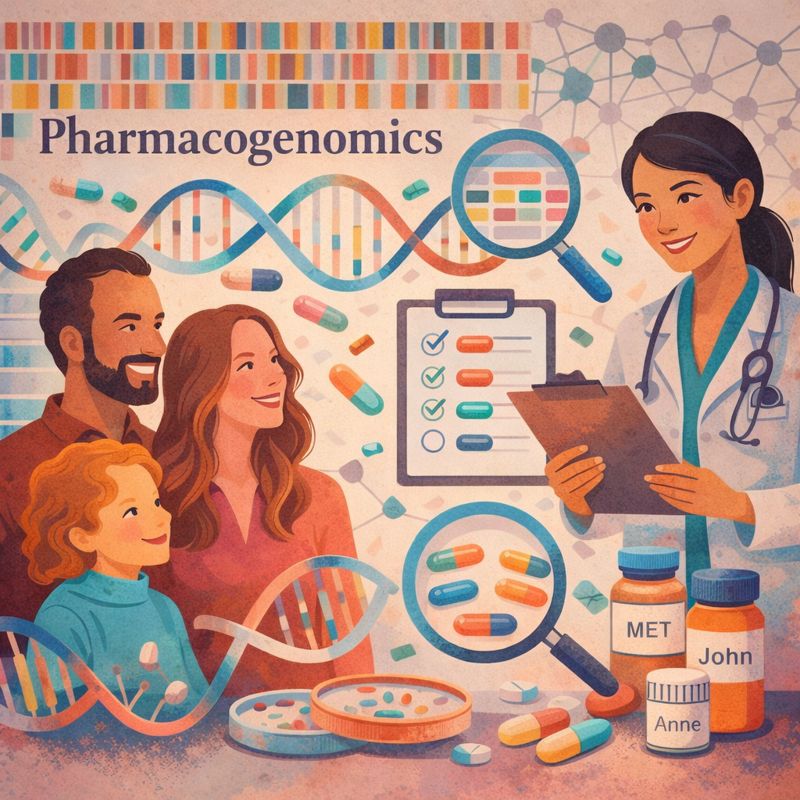
What is Pharmacogenomics

Pharmacogenomics (pronounced far-muh-koh-juh-NOH-miks) is the study of how your genes affect the way your body responds to medicines. In simple terms, it helps explain why the same drug can work well for one person, cause side effects in another, and do very little for someone else. Your body uses proteins—often…

2 min read 0

Genetic Counseling: What It Is and How to Prepare

Genetic counseling helps you understand your genes, assess inherited risks, and prepare for informed health and family planning decisions. Genetic counseling is a professional service that helps individuals and families understand how genetics may affect their health, reproductive decisions, or the health of other family members. It is provided by…

2 min read 0

What you need to know about Family Health History

Family health history is one of the most powerful yet underused tools in modern medicine. Long before genetic tests, sequencing platforms, or precision therapeutics, families carried forward a living record of health and disease through shared stories, diagnoses, and outcomes. Today, that record—when carefully observed and thoughtfully interpreted—remains indispensable for…

5 min read 0

Can Understanding One Gene Change the Future of Alzheimer’s?

Alzheimer’s disease is often spoken about as an inevitable part of ageing, something that slowly emerges from a complex mix of lifestyle, environment, and chance. Over the past three decades, however, scientists have known that our genes play a major role in shaping who is most at risk. Among these…

4 min read 0

Genomic Newborn Screening (gNBS): A Preventive, Sustainable Approach to Early-Life Healthcare

Newborn screening is one of the most successful preventive health interventions, enabling early identification of select inherited disorders and timely treatment. However, traditional newborn screening relies on biochemical markers that reflect downstream effects of disease. These markers often become abnormal only after the disease process has begun, meaning some degree…

Latest Posts

View All
4 min read 0

Hidden DNA, Big Impact: A Genomics Breakthrough in Neonatal Diabetes

For years, scientists have searched for the genetic roots of disease by focusing on the…

2 min read 0

When a common virus meets your genes: why some people face higher cancer risk

Most people around the world are infected at some point with the Epstein Barr virus,…

3 min read 0

A New Discovery: Autoimmune Disease May Be Driven by Evolving Cells

Autoimmune diseases—like thyroid disease, lupus, or rheumatoid arthritis—happen when the body’s immune system mistakenly attacks…